
In today’s fast-paced world, functional fitness has become one of the most effective ways to train for real-life strength, agility, and movement. Unlike traditional workouts that isolate specific muscles, functional training focuses on building a body that performs well in everyday activities—lifting groceries, playing sports, or chasing after kids.
If you’re looking to bring this style of training home, the good news is you don’t need a massive space or expensive equipment. With the right gear and setup, you can build a dynamic home workout zone that supports full-body movement, strength, balance, and mobility.
What is Functional Fitness?
Functional fitness focuses on movements that mimic everyday actions, such as squatting, lifting, rotating, pushing, and pulling. It improves coordination, flexibility, and stability while enhancing strength and endurance.
This type of training is ideal for:
- Athletes who want to improve their performance
- Busy adults who wish to develop practical strength
- Seniors aiming to maintain balance and mobility
- Anyone looking for variety and intensity in their workouts
The key to creating a functional space at home is choosing versatile equipment that supports movement, not just muscle isolation.
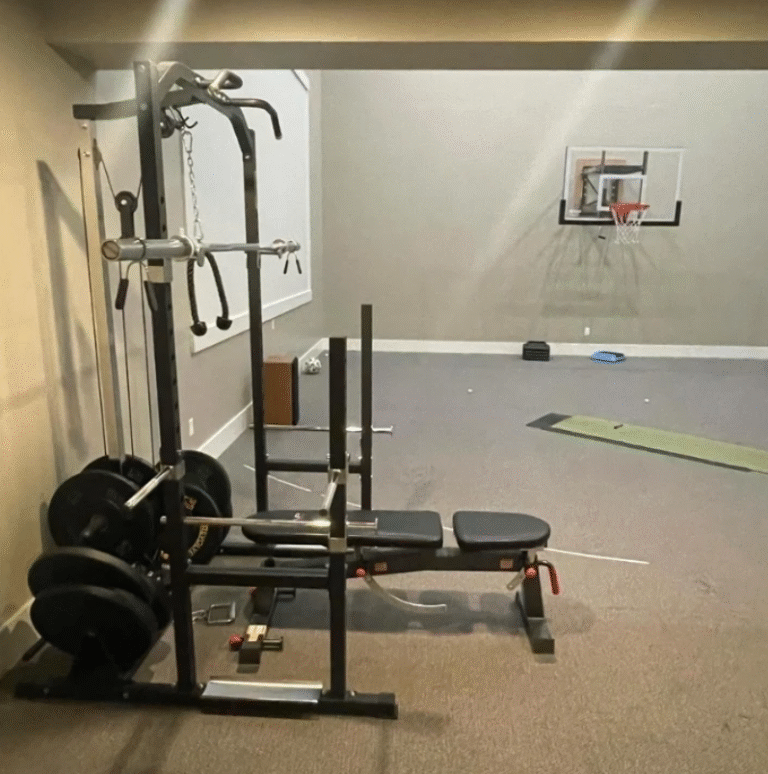
Step 1: Design a Movement-Friendly Layout
Functional workouts often involve compound movements, multidirectional drills, and circuits. That means your space needs to accommodate dynamic movement.
Things to consider:
- Flooring: Use rubber mats or gym tiles to protect your floor and joints.
- Clearance: Make sure you have room to jump, stretch, and swing.
- Zoning: Create zones for strength, cardio, and mobility if space allows.
A compact garage, spare room, or open living space can work perfectly with thoughtful planning.
Step 2: Must-Have Gear for Functional Workouts
To get the most out of your home workouts, focus on versatile, space-saving gear built for movement.
1. Kettlebells
Kettlebells are a staple of functional fitness. Their unique shape allows dynamic exercises like swings, cleans, snatches, and Turkish get-ups. They train strength, power, and coordination simultaneously.
Look for:
- Ergonomic handles
- Powder-coated finish for grip
- Multiple weights for progression
2. Resistance Bands
These are essential for mobility, activation drills, and strength work. Use them for lateral walks, assisted pull-ups, or resistance training on the go.
Choose:
- Loop bands for legs and glutes
- Long resistance tubes with handles for the upper body and functional drills
3. Suspension Trainer (e.g., TRX-style)
A suspension trainer uses your body weight as resistance and is excellent for building core strength and stability.
Mount it to a door, ceiling beam, or wall and train every major muscle group with hundreds of movement options.
4. Adjustable Dumbbells
If space is tight, a set of adjustable dumbbells gives you access to a range of weights without needing a full rack. Use them for squats, presses, lunges, and compound lifts.
5. Plyo Box
A soft or wooden plyometric box is great for explosive training, step-ups, box jumps, and elevated push-ups.
Make sure it’s:
- Stable and slip-resistant
- Padded if you’re new to jumping
- Sized for your fitness level (start with 12″ or 16″ heights)
Step 3: Add Mobility and Recovery Tools
Recovery and flexibility are essential in functional training. Add the following gear to support active rest and movement prep:
- Foam roller for myofascial release
- Massage balls for deep tissue trigger points
- Stretching straps or yoga blocks for mobility
These tools help prevent injuries and improve performance in dynamic workouts.
Step 4: Consider Optional Upgrades
Once you’ve nailed the essentials, consider upgrading your space with a few extra tools for more advanced routines:
Battle Ropes
Great for high-intensity cardio and upper-body endurance. Anchor them securely to a wall or heavy object.
Medicine Balls or Slam Balls
These are perfect for explosive, rotational movements and core training. Use them for slams, tosses, or partner drills.
Compact Functional Trainer
If space allows, a cable machine or wall-mounted pulley system opens up even more training possibilities—rows, chops, curls, presses—all in one unit.
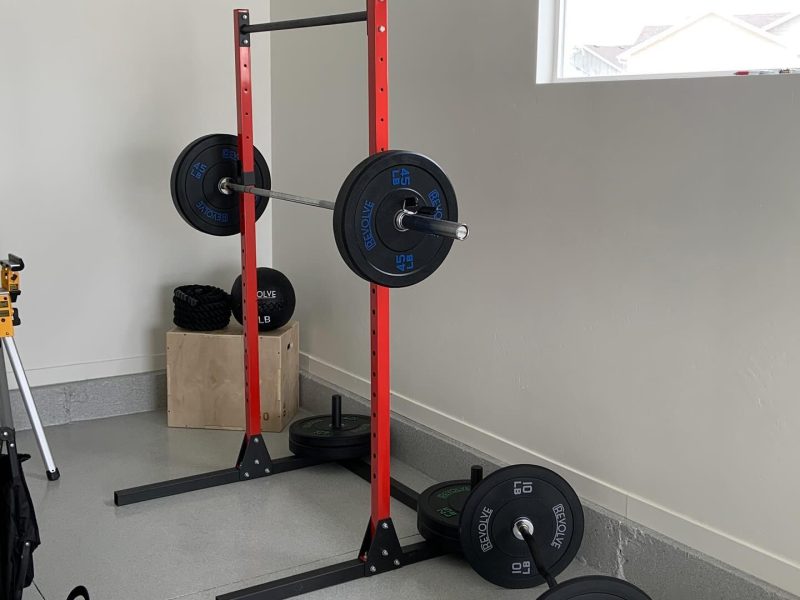
Step 5: Organize for Efficiency and Flow
An efficient setup ensures that your workouts are smooth, safe, and enjoyable.
Tips for an organization:
- Wall-mounted storage racks for bands, ropes, and mats
- Corner shelves or bins for small accessories
- Vertical dumbbell or kettlebell racks to save floor space
Keep your gear accessible but neatly stored to maintain a motivating and clutter-free environment.
Step 6: Keep Your Workouts Dynamic
The beauty of functional fitness is variety. Create simple weekly circuits to switch between strength, agility, and conditioning.
Example circuit:
- Kettlebell swings (45 seconds)
- TRX rows (10–12 reps)
- Box step-ups (10 each leg)
- Resistance band lateral walks (20 steps each way)
- Slam ball overhead throws (10 reps)
Rotate through the circuit 3–4 times for a full-body, dynamic session. Change exercises weekly to keep it fresh and compelling.
Final Thoughts
Creating a functional fitness space at home doesn’t require a large footprint or an expensive budget—just smart equipment choices and a setup that encourages movement. With the right gear, such as kettlebells, resistance bands, suspension trainers, and foam rollers, you’ll be ready to train dynamically, build real-world strength, and stay injury-free.
Whether you’re training for performance or just looking to feel stronger and more mobile daily, a well-equipped functional fitness space at home can help you move better, train smarter, and stay consistent—all without setting foot in a commercial gym.
