
Creating a home gym that suits every family member, regardless of age or fitness level, is an investment in health, happiness, and quality time together. Whether you’re training for strength, maintaining mobility in later years, or just looking for a fun way to keep your kids active, a well-planned home gym can offer a safe and flexible environment to support all your fitness goals under one roof.
Benefits of a Family-Friendly Home Gym
Before diving into the setup, it’s essential to understand why a multi-generational gym is worth the effort. A home gym:
- Encourages consistent activity
- Saves money on long-term gym memberships
- Offers a safe and supervised environment
- Promotes family bonding through shared routines
- Adapts to all fitness levels and needs
Now, let’s explore how to design a space for everyone, from toddlers to grandparents.

1. Choose the Right Space
Selecting the correct location is the first step. Look for an area that has:
- Sufficient space for movement and equipment
- Good ventilation and lighting
- Safe flooring—rubber gym mats or interlocking foam tiles help reduce impact and noise.
A spare bedroom, garage, or even a corner of the living room can be transformed with the right setup.
2. Plan for Multi-Use Zones
To accommodate various workouts and age groups, divide your space into zones:
Strength Zone
Include adjustable dumbbells, resistance bands, kettlebells, and a compact multi-gym system. Choose machines like functional trainers that offer full-body training with adjustable resistance.
Cardio Zone
Install one or two versatile machines, such as a treadmill with incline settings, a rowing machine, or an elliptical trainer. These are great for teens and adults looking to improve heart health and endurance.
Mobility & Stretching Zone
A small area with yoga mats, foam rollers, and space for stretching or bodyweight exercises is ideal for warm-ups, cool-downs, and activities for seniors or young kids.
3. Select Equipment for All Ages
When choosing equipment, focus on versatility, safety, and ease of use.
For Kids
- Mini resistance bands and balance balls
- Light medicine balls
- Interactive fitness games or dance-based workout mats
- Wall mirrors to help them learn proper form while mimicking adults
For Adults
- Adjustable bench for weight training
- Barbells, plates, or resistance-based machines
- Smart cardio equipment with built-in workout programs and tracking
For Seniors
- Low-impact machines like recumbent bikes or rowers
- Balance aids and resistance chairs
- Grip-friendly hand weights and stretch bands
Opt for equipment with adjustable features to evolve with the user’s fitness level.
4. Focus on Safety First
Safety is critical when designing a home gym for all ages.
- Keep heavy equipment anchored or stored securely
- Use padded flooring to reduce slip and injury risks
- Store small gear like dumbbells and resistance bands on dedicated racks
- Educate children on how to use equipment properly, and always supervise them
- Make sure seniors have supportive handles or bars nearby when using equipment
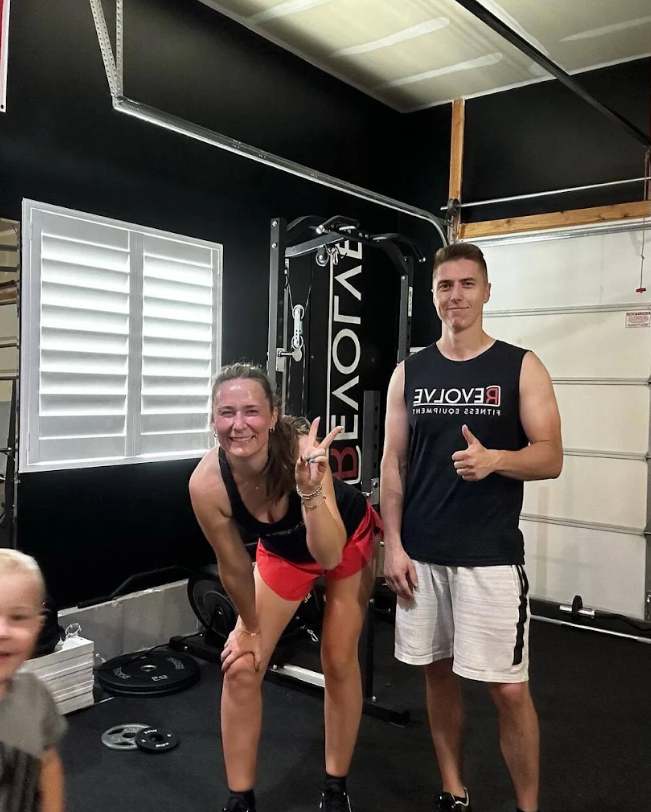
5. Add Engaging Accessories
Keeping workouts fun ensures the whole family stays engaged. Some additions to consider:
- Bluetooth speakers or a smart screen for streaming workouts or music
- Whiteboards or tracking charts to motivate everyone with weekly goals
- Fitness games or virtual trainers to entertain kids and teens
Adding a few fun and interactive elements can make exercise feel like play.
6. Set a Family Routine
Once your home gym is ready, create a routine that includes everyone.
- Designate “family fitness time” a few times a week
- Create mini-circuits where each person rotates between stations
- Let everyone choose their music or playlist for the workout
- Celebrate small milestones like “10-workout streaks” or “new personal bests.”
Consistency builds habits, and when the whole family participates, it becomes something to look forward to.
7. Keep It Clutter-Free and Organized
A neat and organized gym space encourages regular use and minimizes hazards. Invest in:
- Storage racks for weights and accessories
- Wall-mounted shelves for yoga mats and foam rollers
- Hooks or cabinets to keep cords, towels, and small tools out of the way
Consider labeling zones or shelves so each family member knows where their equipment goes.
8. Plan for the Future
As your family grows, so will your needs. Choose equipment that offers modular upgrades, and leave space for new additions. A growing child might soon need heavier weights or an older adult may need new mobility tools.
Being flexible with your gym design ensures it continues to support your family’s health for years to come.
Final Thoughts
A home gym that caters to all ages is more than just a space for fitness—it’s a commitment to wellness, connection, and lifelong healthy habits. With the proper layout, thoughtful equipment selection, and a touch of creativity, you can transform any space into a hub of family energy and well-being.
Whether you’re just starting or looking to upgrade your home fitness setup, focus on quality, safety, and inclusivity. Your family’s journey toward health can begin right at home.
