
Creating a home gym can be exciting, as it allows you to tailor your fitness environment to your personal preferences and needs. However, the initial investment in equipment can be daunting. Renting fitness equipment presents a cost-effective and flexible solution for building a functional home gym.
Understanding Your Fitness Goals
Identify Your Objectives
Before selecting equipment, it’s crucial to define your fitness goals. Are you looking to build strength, improve cardiovascular health, or enhance flexibility? Understanding your objectives will help you choose the right equipment and create a balanced workout routine.
Assess Your Current Fitness Level
Consider your current fitness level when planning your home gym. Beginners may benefit from versatile, user-friendly equipment, while more advanced users might require specialized machines for targeted workouts. This assessment will guide you in selecting rental equipment that aligns with your capabilities.
Choosing the Right Space
Selecting an Appropriate Area
The first step in setting up your home gym is choosing a suitable space. Look for a well-ventilated area with adequate lighting and enough room for movement. A spare room, basement, or even a garage can serve as an ideal location.
Maximizing Space Efficiency
If space is limited, consider how to maximize it. Use wall-mounted storage for smaller items like resistance bands and weights. Foldable or compact equipment can also save space while providing functionality.
Essential Equipment for Your Home Gym
Core Equipment Options
When renting fitness equipment, consider the following essential items:
Cardio Machines: Treadmills, exercise bikes, or ellipticals are great for cardiovascular workouts. Renting allows you to try different models to find what suits you best.
Strength Training Equipment: Dumbbells, kettlebells, and resistance bands are versatile tools for strength training. They take up minimal space and can be used for various exercises.
Flexibility Tools: Yoga mats and foam rollers are essential for stretching and recovery. These items are often inexpensive to rent or can be easily purchased.
Specialized Equipment
Depending on your goals, you may want to rent specialized equipment such as:
Weight Benches: Ideal for strength training exercises like bench presses.
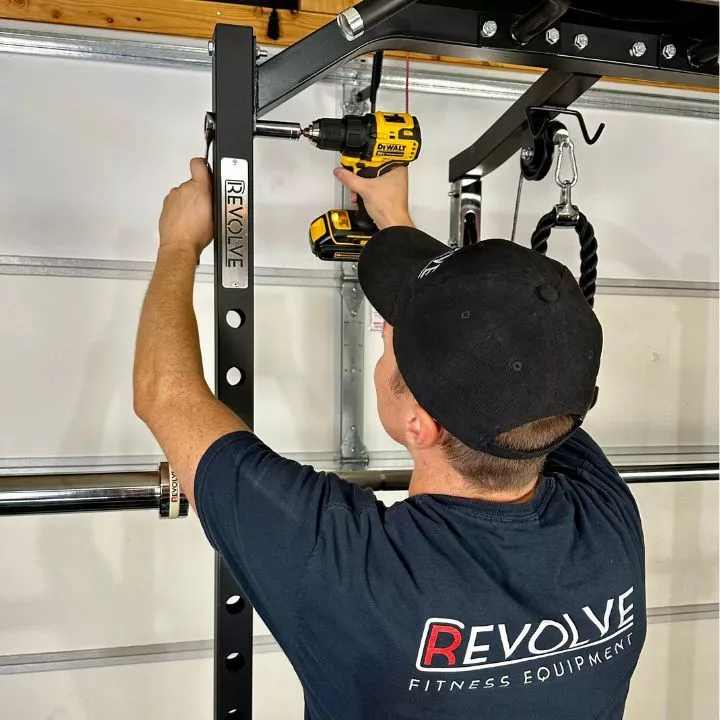
Power Racks: Great for severe lifters who want to perform squats and deadlifts safely.
Rowing Machines: Excellent for full-body workouts that combine strength and cardio.
Creating a Balanced Workout Routine
Incorporate Variety
A well-rounded workout routine should include cardiovascular training, strength training, and flexibility exercises. Renting various equipment allows you to switch up your regimen regularly, keeping workouts engaging and effective.
Schedule Your Workouts
Establish a consistent workout schedule that fits your lifestyle. Whether it’s early morning sessions or evening workouts, having a set routine helps maintain motivation and accountability.
Maintenance-Free Workouts
One significant advantage of renting fitness equipment is that the company typically covers maintenance. You won’t have to worry about repairs or upkeep, allowing you to focus solely on your workouts without added stress.
Flexibility in Equipment Choices
Renting allows you to change or upgrade your equipment as needed. If specific machines are not meeting your expectations or your interests evolve, you can easily swap them out without the financial burden of purchasing new items.
Trial Periods
Many rental companies offer trial periods that allow you to test different types of equipment before committing to the long-term. This is particularly beneficial if you need help determining which machines best suit your fitness goals.
Cost-Effectiveness of Renting Equipment
Renting fitness equipment is often more budget-friendly than buying it outright. High-quality machines can be expensive, but renting allows access to premium models at a fraction of the cost. This approach enables individuals on a budget to create a well-equipped home gym without breaking the bank.
Budgeting Tips
When renting equipment, consider setting a monthly budget that includes rental fees and additional costs for accessories or maintenance services if needed. This helps ensure that your fitness journey remains financially manageable.
Building Your Home Gym Community
Engaging with Virtual Classes
With many fitness classes moving online, consider integrating virtual sessions into your routine. Many platforms offer classes tailored for specific types of rented equipment, allowing you to maximize its use while connecting with others.
Accountability Partners
Invite friends or family members to join you in virtual workouts using rented equipment. This creates a sense of community and accountability, enhancing motivation and enjoyment in your fitness journey.
Sustainability Considerations
Renting gym equipment also promotes sustainability by reducing waste from purchasing new machines that may go unused. By opting for rentals, individuals contribute to a more sustainable approach to fitness by reusing resources rather than contributing to landfill waste.
Setting up a functional home gym using rental equipment presents numerous advantages: cost-effectiveness, flexibility, maintenance-free usage, and sustainability. By carefully selecting suitable space and equipment based on personal fitness goals, individuals can create an effective workout environment tailored to their needs.
Renting allows users to access high-quality machines without the long-term commitment of purchasing outright. This approach not only makes fitness more accessible but also encourages experimentation with different types of workouts and equipment—essentially fostering an engaging and adaptable fitness journey at home.
In summary, whether you’re starting your fitness journey or looking to enhance an existing routine, renting fitness equipment is an intelligent choice that empowers individuals to achieve their health goals while enjoying the convenience of working out at home.
