
Setting up a home gym can be an excellent way to stay fit and healthy, but it’s crucial to prioritize safety when using any exercise equipment. Improper use or lack of precautions can lead to injuries, derailing your fitness goals and even causing long-term damage.
Proper Equipment Setup
Before starting your workout:
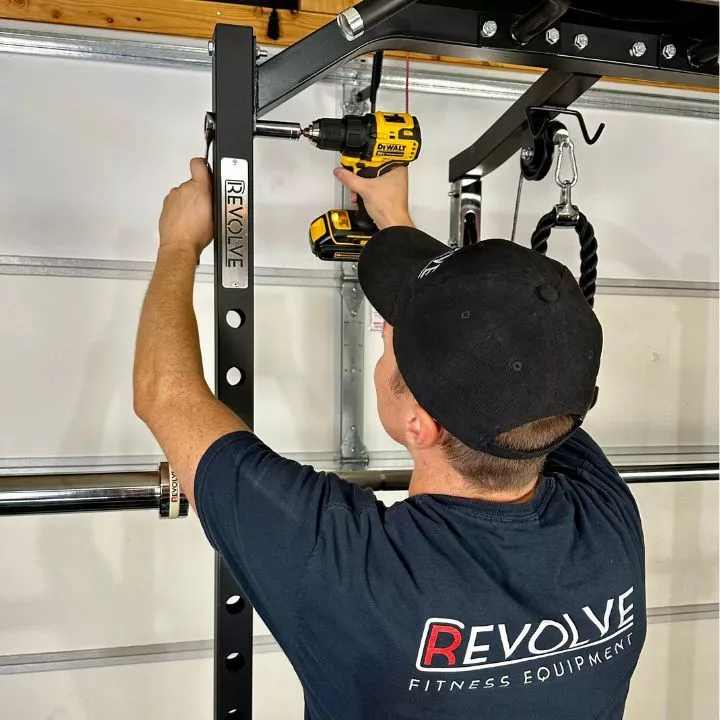
Ensure that your equipment is correctly set up and secure.
Follow the manufacturer’s instructions carefully when assembling and adjusting the equipment.
Double-check that all parts are tightened and the equipment is placed on a stable surface. If you have any concerns or questions, consult a professional or manufacturer for guidance.
Wear Appropriate Attire
Wearing the proper clothing and shoes can significantly improve your safety and comfort during a workout. Choose breathable, moisture-wicking fabrics that allow for a full range of motion. Avoid loose clothing that could get caught in moving parts. Wear well-cushioned, supportive shoes designed for the type of exercise you’ll be doing.
Warm-up and Cool-down
Warming up before your workout and cooling down afterward is essential for injury prevention and muscle recovery. Start with some light cardio, such as walking or jogging in place, to increase your heart rate and blood flow. Follow this with dynamic stretches to prepare your muscles for the workout. After your workout, perform static stretches to help your muscles recover and prevent soreness.
Proper Form and Technique
Proper form and technique are crucial for maximizing the effectiveness of your workout while minimizing the risk of injury. If you’re unsure about proper form, consult a personal trainer or watch instructional videos from reputable sources. Start with lighter weights or resistance and gradually increase as you become more comfortable and confident with the exercise.
Hydration and Nutrition
Staying hydrated and fueling your body with proper nutrition is essential for overall health and fitness. Drink plenty of water before, during, and after your workout to replace fluids lost through sweat. Eat a balanced diet of lean proteins, complex carbohydrates, and healthy fats to support muscle recovery and growth.
Regular Maintenance and Inspection
Regularly maintaining and inspecting your home gym equipment is crucial for safety and longevity. Follow the manufacturer’s recommendations for cleaning and lubricating moving parts. Inspect the equipment for wear or damage, such as frayed cables, loose parts, or cracks. If you notice any issues, stop using the equipment immediately and have it repaired or replaced.
Supervision and Safety Precautions
If you have children or pets, take extra precautions to ensure their safety around your home gym equipment. Consider using safety locks or covers on moving parts to prevent accidents. Always supervise children near the equipment and teach them about the importance of safety.
Importance of Renting Home Gym Equipment
While investing in home gym equipment can be a significant financial commitment, renting can be more cost-effective and flexible. Renting allows you to access high-quality equipment without the upfront cost of purchasing. It also provides the flexibility to try different types of equipment before committing to a purchase. One of the main advantages of renting home gym equipment is the ability to upgrade or replace the equipment as needed.
As your fitness goals and preferences change, you can easily swap out equipment without the hassle of selling or storing old machines. Rental companies often offer the latest models, ensuring that you have access to the most advanced and effective equipment. Another benefit of renting is the lack of maintenance worries. When you rent home gym equipment, the rental company is responsible for any repairs or maintenance needed. This saves you time and money, as you don’t have to worry about the costs associated with maintaining the equipment.
Using home gym equipment effectively and safely requires a combination of proper setup, appropriate attire, warm-up and cool-down routines, proper form and technique, hydration and nutrition, regular maintenance and inspection, and safety precautions. Following these guidelines can minimize the risk of injury and maximize the benefits of your home workouts. Additionally, renting home gym equipment can be a cost-effective and flexible option that provides access to high-quality equipment without the long-term commitment of purchasing.
